
Every year, homeowners pour thousands into patios, landscaping, and outdoor furniture, then watch it sit unused because the yard feels exposed, unsecured, and uncomfortably open. An unenclosed outdoor space is not just an aesthetic problem; it is a security gap, a liability, and a slow drain on property value that compounds quietly over time. Pets escape. Children are harder to supervise. Neighbors and passersby have a direct line of sight into spaces meant to be yours. The longer a yard goes without proper fencing, the more these problems normalize, until something goes wrong and the cost of fixing it far exceeds the cost of preventing it. At Puget Fence Inc., we have seen exactly what the right privacy fence does for a home, and what the absence of one costs homeowners who waited too long.
This blog breaks down everything you need to know before investing in a privacy fence installation, materials, design, maintenance, and what truly makes an outdoor space last. If you want durable outdoor areas that serve your home for decades, this is the guide to read first.
Understanding the Purpose of a Privacy Fence
A privacy fence is more than a visual barrier. It is a functional boundary that defines your property, controls access, reduces noise, and creates a usable living zone outside your four walls.
A well-placed property boundary fence eliminates ambiguity about land lines, which, left unaddressed, leads to costly legal disputes. Beyond that, it creates a contained zone where children play safely, pets stay in, and unwanted foot traffic stays out. That is the foundation of a genuinely safe outdoor environment.
Why Privacy Fences Are Popular Among Homeowners
Homeowners across the U.S. consistently rank fencing among the top five home improvement projects for return on investment. Research from the National Association of Realtors indicates that a well-installed fence can improve perceived property value and accelerate sale timelines.
The reasons homeowners choose privacy fence installation come down to three things: security, usability, and aesthetics. When all three are met, a backyard stops being wasted square footage and starts functioning as an extension of the home itself, a real, durable outdoor living space.
A fence does not just mark where your property ends. It defines how well you live within it.
Benefits of Installing a Privacy Fence
The privacy fence benefits extend well beyond what most people initially expect:
- Outdoor comfort and privacy: Use your yard without feeling watched
- Outdoor security fencing: A visible enclosure deters trespassing and unauthorized access
- Curb appeal improvement: A clean, well-designed fence elevates your home’s entire exterior
- Outdoor entertainment space: Enclosed yards are simply used more often
- Outdoor landscape enhancement: Fencing, frames, plantings, patios, and structures intentionally
Skip the fence, and you skip all of this. Your yard becomes a space you avoid rather than enjoy.
How a Privacy Fence Supports Durable Outdoor Areas
This is where most guides go shallow, and where homeowners leave money on the table.
A privacy fence actively protects everything inside it. In climates like Western Washington, wind is a silent destroyer of outdoor furniture, soil structure, and landscaping investment. A solid fence reduces wind velocity within the enclosed area, creating a sheltered microclimate that extends the life of every outdoor element, furniture, planters, paving, and turf.
That is the real definition of durable outdoor areas: not just materials that last, but an environment designed to reduce wear from the outside in.
Choosing the Right Privacy Fence Material
The material you choose influences how well your fence holds up over the years, not just its appearance on the day it is installed. Each option comes with genuine trade-offs worth understanding.
1. Wood Privacy Fences
A wood privacy fence, particularly cedar, is the natural fit for the Pacific Northwest. Cedar contains oils that resist moisture penetration and repel insects without chemical treatment. It is workable, customizable, and genuinely beautiful when maintained. The trade-off is that wood requires periodic sealing to remain a weather-resistant fence over time.
2. Vinyl Privacy Fences
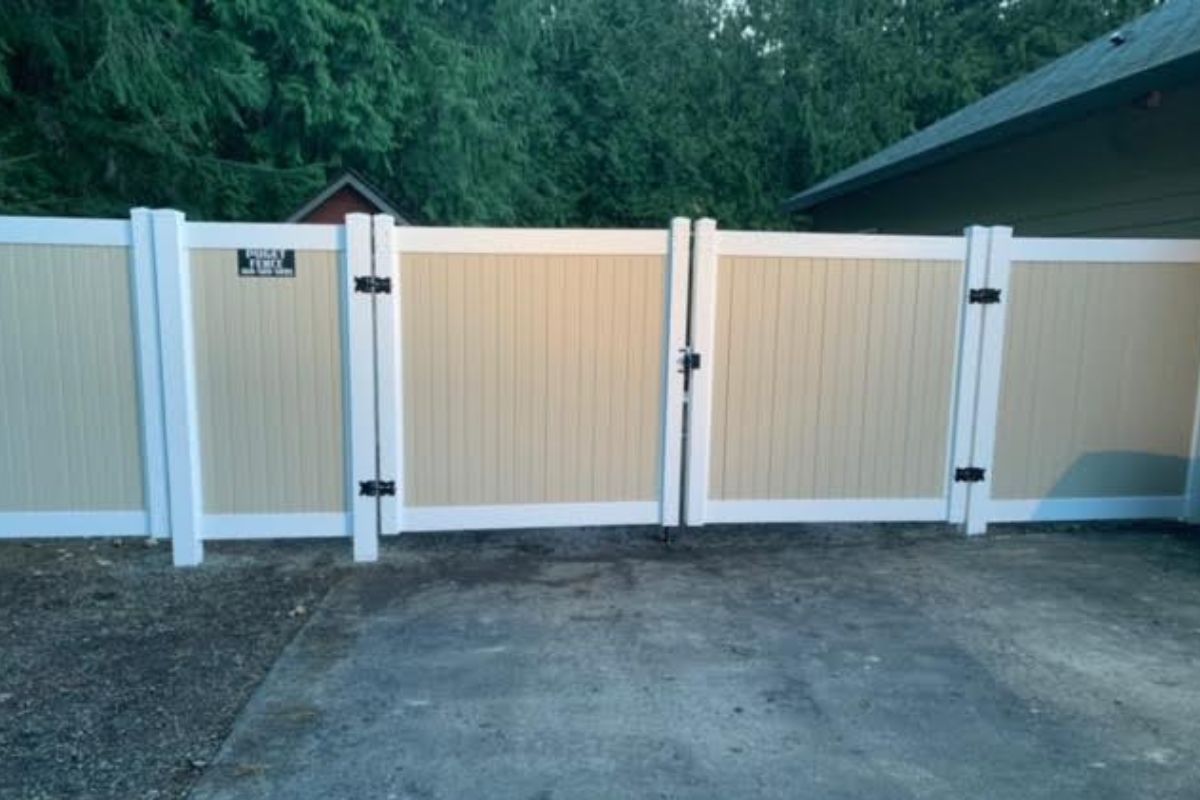
A vinyl privacy fence removes the maintenance burden almost entirely. It does not absorb moisture, will not rot, and holds its color without repainting. Vinyl is a great choice for a homeowner who wants a long-lasting privacy fence that takes little effort to maintain. It works beautifully as a weather-resistant fence across wet variable climates.
3. Composite Fencing Solutions
Composite fencing solutions combine recycled wood fiber with polymer to provide the look of wood with the longevity of synthetic materials. They resist splitting, warping, and insect damage. Composite is worth serious consideration for homeowners weighing sustainability with performance.
4. Metal and Decorative Options
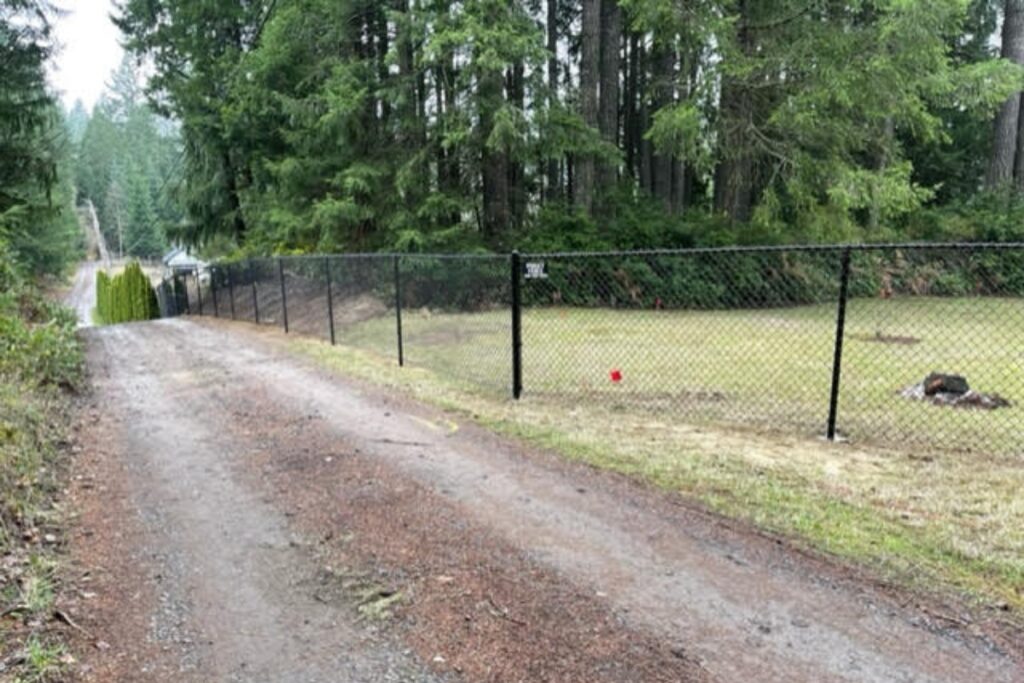
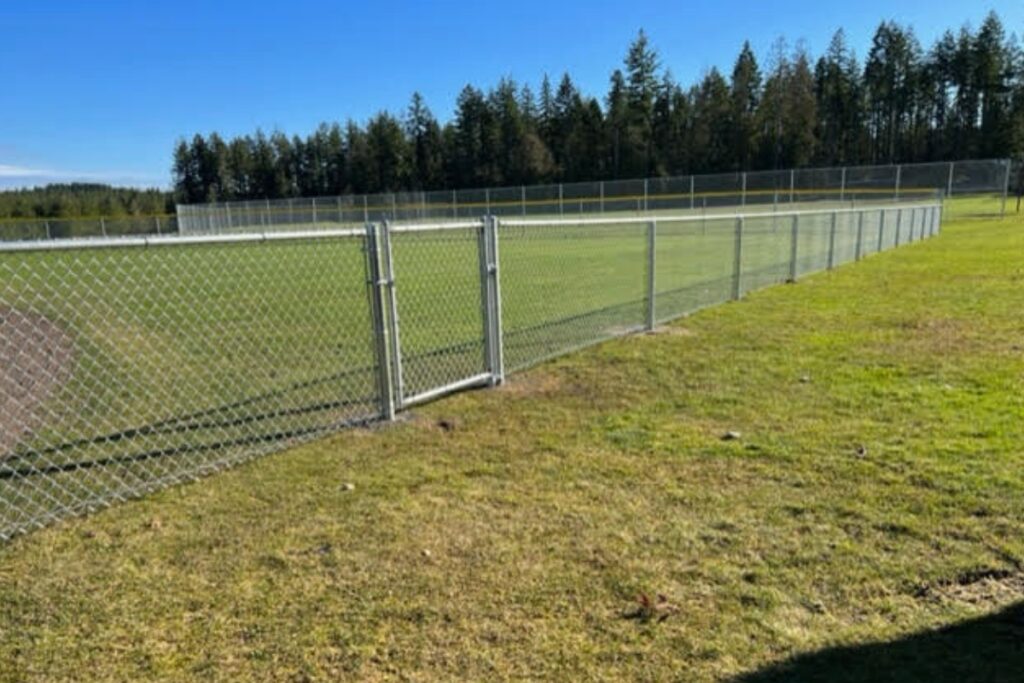
Ornamental metal and chain-link fencing with privacy slats make for good outdoor security fencing, especially for commercial properties or homes that need a more heavy-duty perimeter. They are built for longevity and can be designed as a custom privacy fence with decorative elements that lead to curb appeal improvement without sacrificing strength.
| Material | Maintenance Level | Best For | Lifespan |
| Cedar Wood | Moderate | Natural aesthetics, custom design | 15–20 years with care |
| Vinyl | Low | Low-maintenance, wet climates | 20–30 years |
| Composite | Low | Eco-conscious, durability | 25+ years |
| Ornamental Metal | Low–Moderate | Security, commercial use | 20–30 years |
Important Factors to Consider Before Installation
Professional fence installation starts well before the first post goes in. Rushing this stage is where most homeowners make expensive mistakes.
- Get your property lines confirmed with a survey before anything is staked out.
- Check local zoning laws; height restrictions vary by neighborhood.
- Plan gate placement according to the actual use of the yard.
- Sloped yards, rocky ground, and uneven terrain all affect how posts are set; factor this in before finalizing your plan.
- Check HOA guidelines if applicable.
These are not optional steps. Skipping them can mean relocating a fence after it is already built, and that is a cost no one wants to incur.
Privacy Fence Design Trends for Modern Homes
Backyard fencing ideas have moved well past the standard six-foot picket. Current design trends are a sign of a larger movement toward intentional outdoor spaces:
- Horizontal slat panels for a fresh, modern look
- Dark-stained cedar in charcoal or espresso tones
- Wood panels in steel or aluminum frames, mixed materials
- Lattice-top extensions that add height while allowing airflow
- Integrated planting strips along fence lines for outdoor landscape enhancement
A fence with intent becomes part of the visual identity of the home, not just its borders.
Maintaining Your Privacy Fence for Long-Term Durability
A long-lasting privacy fence only stays that way with some attention. These fence maintenance tips are straightforward but easy to skip, and skipping them is where fences fail early.
Wood needs an annual check for rot at the base and around post footings, plus re-sealing every two to three years. Vinyl just needs a rinse and a quick look for stress cracks after hard freezes. Metal is forgiving until rust sets in; catch spots early and apply a protective coating every few years before the damage spreads.
Across all types, clear debris from the fence base, tighten hardware after storms, and address leaning posts before they fail completely. Deferred maintenance compounds fast.
Your Outdoor Space Deserves a Fence Built to Last
A privacy fence done right is one of the highest-leverage investments a homeowner can make. It creates durable outdoor areas that are safer, more functional, and more valuable, year after year. From outdoor comfort and privacy to genuine outdoor security fencing, every benefit compounds over time. Choosing the right material, designing with purpose, and maintaining it are what separate a fence that lasts from one that costs you twice.
Puget Fence Inc. has spent over 20 years delivering professional fence installation across Kitsap, Pierce, Mason, and Jefferson Counties in Western Washington. Whether you are still exploring backyard fencing ideas, weighing a vinyl privacy fence against a wood privacy fence, or have already decided on a custom privacy fence, our team has the experience and craftsmanship to deliver results that hold up and look good doing it.
If your outdoor space is not working as hard as it should, that changes with one call. Reach out to Puget Fence Inc. today at (360) 509-5095 to schedule your free consultation and take the first step toward a fence and an outdoor space, built to last.