
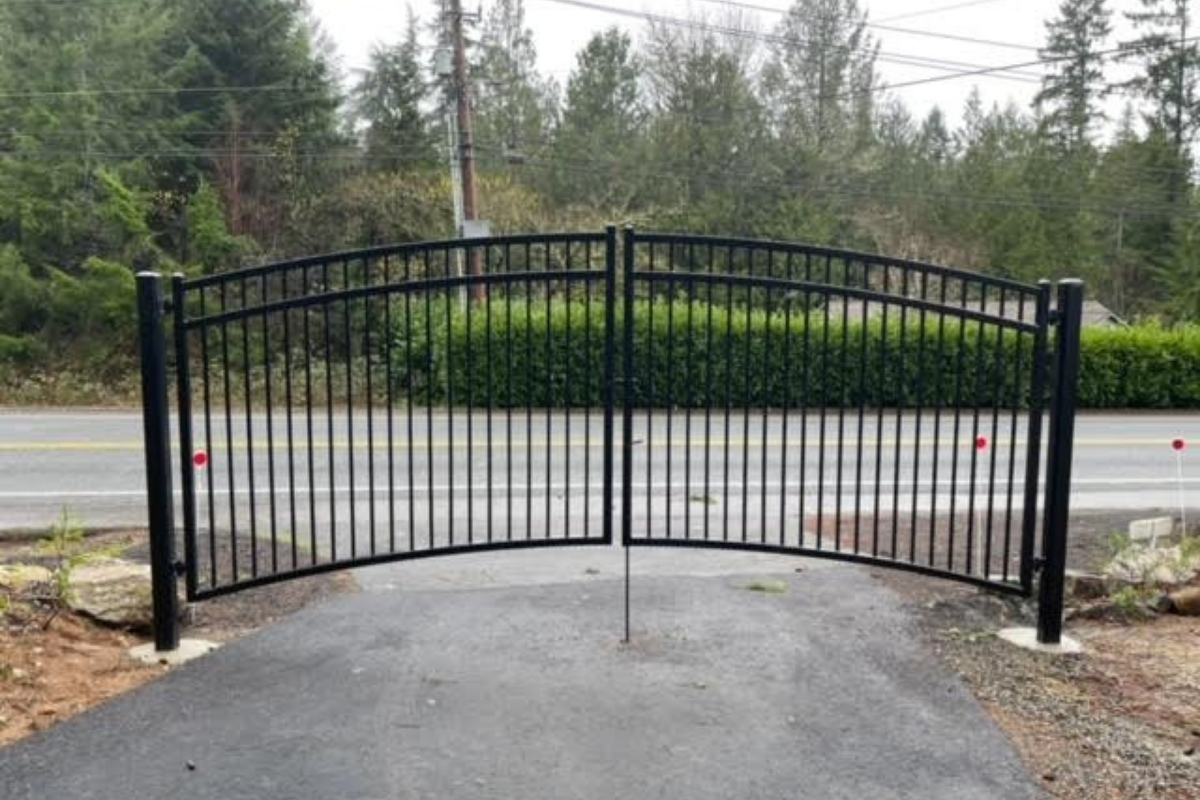
Your driveway gate should keep your property safe, not test your patience every morning. Yet here you are, dealing with a gate that won’t open, closes halfway, or sounds like it’s auditioning for a horror movie. These aren’t just little problems. They’re security gaps that leave your home vulnerable and pile up repair costs faster than you’d imagine. A broken gate is essentially an open invitation to problems you don’t need. At Puget Fence Inc., we’ve spent over 20 years fixing these exact headaches across Western Washington, and we know exactly what works.
This guide talks about the most common driveway gate problems and gives you useful solutions. We’re sharing real-world solutions based on years of working with them, not just theory.
Why Driveway Gate Problems Shouldn’t Be Ignored
Small driveway gate issues don’t stay small. That squeak becomes a frozen hinge. The slight tilt turns into a sagging driveway gate that won’t close anymore.
Beyond convenience, there’s security. A broken gate cuts your property protection in half. Studies show working gates significantly reduce unauthorized access compared to faulty ones.
Early fixes are cheap. Ignored problems turn into expensive replacements. We’ve watched it happen too many times, simple repairs that become total overhauls because someone waited too long.
REALITY CHECK: A gate that fails once will fail again, usually when you need it most. Fix it now or pay later.
Problem #1 – Driveway Gate Won’t Open or Close Properly
When your driveway gate is not opening, or the driveway gate is not closing, it becomes daily drama; you’re experiencing the most common complaint we hear. Most causes are simpler than you think.
1. Possible Causes
Dead remote batteries, tripped breakers, gate track blockage from debris, shifted limit switches, or loose chains.
2. How to Fix It
Start basic. Check power and replace remote batteries. Walk the gate path looking for rocks or leaves causing gate track blockage.
Clean sliding gate tracks and use silicone lubricant; it handles rain without collecting dirt. If problems persist, adjust your limit switches. These tell the motor when to stop and can shift over time.
Problem #2 – Gate Is Sagging or Misaligned
A misaligned gate is impossible to hide and only gets worse. Understanding the cause helps you fix it right.
1. Why It Happens
In the end, gravity wins. Hinges wear out over time, in bad weather, and when they are used every day. Wood gates soak up water and bend, which is common in our Pacific Northwest climate.
Foundation settling is another factor, especially in clay soil that shifts with the weather.
2. How to Fix It
First, tighten the hinge bolts. For better weight distribution, add anti-sag bracing kits.
Serious sagging needs heavy-duty hinge replacements. Sometimes, post reinforcement with concrete is necessary to prevent future movement.
| Fix Type | Duration | Best For |
| Tighten bolts & adjust | 6-12 months | Minor sagging |
| Anti-sag kit + new hinges | Years | Moderate problems |
| Post reinforcement | Permanent | Severe damage |
Problem #3 – Noisy Operation
That noisy driveway gate isn’t adding character; it’s asking for attention. Every sound tells you what’s wrong.
1. Common Reasons
Dry hinges, worn rollers, grinding tracks, loose bolts rattling, dry chains, and gate hinge problems from rust all create distinct noises.
2. How to Fix It
- Lubricate everything: hinges, rollers, wheels, chains. Do this quarterly in wet climates.
- Tighten all bolts. Daily use loosens hardware over time. Takes fifteen minutes and prevents bigger issues.
- Grinding sounds mean metal-on-metal contact. Replace worn parts before they destroy your tracks.
Problem #4 – Gate Opener or Motor Failure
Automatic driveway gate problems usually trace to the motor. When it fails, everything stops.
1. Signs of Motor Problems
Intermittent movement, humming without action, burning smells, or random reversals all signal motor trouble.
2. Solutions
Check power connections; loose wiring causes most issues. The capacitor often fails and needs replacement.
Dead motors need replacement. Modern units are more reliable and include diagnostics that simplify future driveway gate troubleshooting.
Problem #5 – Rust and Corrosion
Rust on metal gate parts isn’t cosmetic; it’s structural damage waiting to happen. Washington weather accelerates corrosion on steel components.
1. Why This Is a Problem
Rust destroys strength. Corroded hinges snap without warning. We’ve responded to emergencies where rust caused a complete gate collapse.
Rust also stops moving parts from working properly by freezing them.
2. How to Fix It
- Use a wire brush and rust converter to remove surface rust. Then, use a primer that stops rust and paint the outside.
- Heavy corrosion requires replacement. We stock galvanized and vinyl-coated hardware that resists rust naturally.
Problem #6 – Sensor or Safety Feature Malfunctions
Safety sensors prevent your gate from closing on vehicles or people. Malfunctions create serious liability risks.
1. What Goes Wrong
Photo-eye sensors get dirty or misaligned. These create invisible beams; any interruption triggers a shutdown. Dirt, webs, or knocked brackets cause false alerts.
Edge sensors wear out and fail to detect obstructions properly.
2. How to Fix It
Every month, clean the lenses on the sensors. Check that the transmitter and receiver are facing each other directly.
Put things in the way of the gate once a month to test it. Don’t skip safety features to fix problems; you’re putting people at risk of getting hurt.
Problem #7 – Gate Is Moving Too Slowly
Slow operation means there are power problems, worn parts, or too much resistance.
1. Causes
Dead batteries, low hydraulic fluid, worn components, aging motors, or misaligned tracks.
2. Fixes
- Check the battery’s charge and the cleanliness of the panel. Check the levels of the hydraulic fluid and look for leaks.
- Clean track systems well because dirt makes them drag. If you can, change the settings for the motor speed.
INSIDER SECRET: Most “broken” gates just need cleaning and lubrication. Try that before panicking.
Preventive Maintenance Tips for Driveway Gates
The smartest repair is the one you don’t need. Taking care of things on a regular basis can help you avoid those emergency calls.
1. Monthly tasks
Take a walk around your gate and look for anything out of place. Test those safety sensors to make sure they’re working. Clear out leaves, sticks, or whatever else has blown into the tracks. Listen while the gate operates; new sounds usually mean something needs attention.
2. Every three months
Grab your lubricant and hit every moving part you can find. Bring a wrench and tighten up bolts that have worked loose. Swap out remote batteries before they die on you. Give the wiring a quick check for any signs of wear or damage.
3. Once a year
Get professionals in to go over everything thoroughly. We catch problems while they’re still small—treating rust before it spreads, adjusting motors before they fail, replacing worn parts before they break. Think of it as preventive care instead of emergency surgery.
Puget Fence Inc. takes care of gate maintenance in Kitsap, Pierce, Mason, and Jefferson Counties. We can help you with anything from a quick tune-up to a full system overhaul.
Keeping Your Gate Working for Years
Driveway gate problems aren’t inevitable. Everything we’ve covered, from automatic driveway gate problems to gate hinge problems, has straightforward solutions when caught early. Regular care extends gate life from ten to twenty-plus years.
At Puget Fence Inc., two decades of solving common driveway gate problems taught us that quality driveway gate installation and consistent maintenance make all the difference. Whether you need the service of driveway gate repair or new gate installation in Bremerton, Silverdale, Poulsbo, or Gig Harbor, we’ve got the expertise.
Don’t let your driveway gate issues put your safety at risk. Call Puget Fence Inc. at (360) 509-5095 today for professional help with your driveway gate troubleshooting.