
Most homeowners don’t discover their privacy fence has a serious problem until it’s too late: a leaning post after the first winter storm, a rotting panel two years in, or a neighbor dispute over a fence that was installed six inches over the property line. These are not rare, unlucky situations. They are the direct result of skipping steps that seem minor during planning but become very costly during repairs. Left unchecked, these privacy fence mistakes can compromise the security of your home, decrease its resale value, and leave you paying double for the same project.
At Puget Fence Inc., we have seen every version of this story across Western Washington, and we know exactly where it starts going wrong.
This blog breaks down the five most damaging privacy fence installation mistakes homeowners make, why each one matters, and what you should do instead. If you are planning a backyard privacy fence or troubleshooting an existing one, this is worth reading in full.
Why Proper Privacy Fence Planning Matters
Skipping the planning phase is where most privacy fence planning mistakes are born. A fence is a structural investment for the long term, and the decisions made in the first week of the project determine its performance for the next two decades. There are consequences at every step of the way of rushing planning.
1. Choosing the Wrong Privacy Fence Material
The material choice is permanent. It’s one of the biggest privacy fence errors homeowners make, as you can’t just swap it out. You’ll need to start over for that.
Why Material Selection Goes Wrong
Many homeowners choose based on upfront privacy fence cost alone, and that calculation almost always backfires. If you go with a cheaper material that needs to be sealed every year, or that warps when it gets humid, or breaks down when it’s exposed to UV, then over the long run you’re going to spend far more than if you just went with a durable option to begin with.
What You Should Know Instead
| Wood privacy fence (Cedar) | 15–30 years | Moderate | High moisture, Pacific NW |
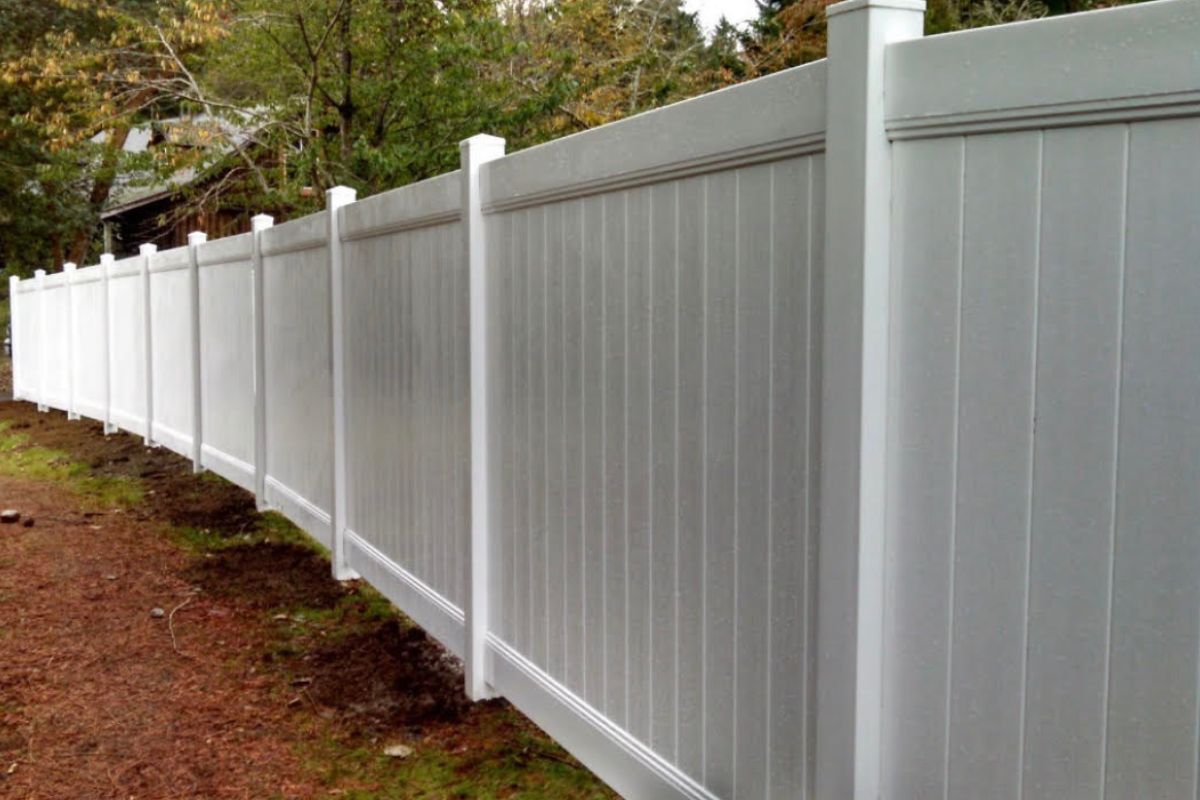
| Vinyl privacy fence | 20–30 years | Very Low | All climates |
| Composite privacy fence | 25–30 years | Low | Humid or variable climates |
Cedar is particularly well-suited for wet climates. Its natural oils resist moisture and fungal growth without heavy chemical treatment. A vinyl privacy fence requires almost no maintenance and keeps its shape through temperature swings. A composite privacy fence is a good middle ground. It looks like wood, but it is durable like a synthetic material.
Match the material to your climate and lifestyle, not just your budget.
2. Ignoring Local Fence Regulations and Permits
This mistake alone has forced homeowners to tear down brand-new fences. Entirely.
Fence height regulations are not suggestions. Most jurisdictions limit backyard fences to 6 feet and front yard fences to 4 feet, but zoning overlays, HOA rules, and setback requirements can make those numbers even more restrictive. Skipping this step leads to privacy fence problems that no contractor can fix after the fact.
What Happens When You Skip This
- Municipal fines and stop-work orders
- Mandatory removal at your own expense
- Disclosure requirements that complicate home sales
- Neighbor complaints that escalate into legal disputes
How to avoid it: Contact your local zoning or planning department before installation begins. Pull the required permits. If you are unsure what applies to your property, a professional fence contractor near me with regional experience will know exactly what your county requires.
3. Not Confirming Property Lines
This is one of those common privacy fence mistakes that feels unlikely until it happens to you. Even a fence inches over your legal boundary gives your neighbor grounds to demand removal, and courts usually rule with the survey, not the assumption.
How to Avoid This Mistake
Hire a licensed land surveyor before installation. Look at your property deed. Before digging, mark the line visually with temporary stakes. This one step removes one of the most avoidable and most expensive privacy fence errors in the industry.
A survey costs a fraction of what a fence relocation does. Do it first.
4. Poor Post-Installation
A weak post makes for a countdown of the whole fence. The panels can look great, but if the posts go, then so do all the panels.
Signs of Poor Installation
- Fence leaning or shifting within the first year
- Posts that move when pushed
- Gaps forming between panels and the ground
- Water pools at the base after rain
Industry standards require that posts be buried to a minimum depth of one-third their total length. So a 6-foot fence will need posts set at least 2 feet deep, often deeper depending on soil type and frost depth. Posts poured in concrete without adequate drainage below are also subject to heaving during freeze-thaw cycles.
One of the most common calls we receive is for leaning fence repairs, and in most cases, the culprit is either not setting the posts deep enough or poor concrete work at the time of the original install. Following proper fence maintenance tips, like checking post stability seasonally, helps catch shifting before it spreads.
5. Overlooking Drainage Problems
Fence drainage issues rarely show up immediately. They work quietly over months and seasons until a post base has softened, a panel has started warping, or an entire section needs to be replaced.
Common Drainage Risks
- Water collecting around posts softens soil, accelerates rot
- Poor lot grading channels water to the fence line directly
- Debris and mulch buildup trap moisture against wood panels
How to avoid it: Grade soil away from the fence base. Gravel backfill around posts will provide better drainage. For wood privacy fence installations, apply a water-resistant sealant, and inspect annually. These fence maintenance tips add years to your fence’s lifespan and significantly reduce repair frequency.
Benefits of a Privacy Fence Every Homeowner Should Know
A privacy fence, done right, is one of the highest-value additions to a residential property. Besides the obvious privacy, it shapes your outdoor living area, reduces noise, enhances security, and adds directly to the resale value. According to HomeAdvisor real estate data, a well-maintained fence can add up to 5% to the value of a home.
The difference between a fence that delivers those benefits for 25 years and one that needs replacing in five comes down entirely to avoiding the privacy fence installation mistakes covered above. Material selection, proper permitting, confirmed property lines, correct post depth, and drainage planning are not optional steps. They are the foundation.
Your Privacy Fence Deserves to Be Built Right the First Time
Every mistake covered in this blog follows the same pattern: it seems manageable during planning and becomes very expensive after installation. Privacy fence problems like rotting posts, leaning panels, permit violations, and drainage failures do not fix themselves. They compound. And the longer they go unaddressed, the more the repair scope and cost grow.
These privacy fence tips are not theoretical. They illustrate what goes wrong on real projects when there is poor planning and bad execution. To protect your investment, the best way is to know some of the common privacy fence mistakes before you break ground.
Puget Fence Inc. has been serving Kitsap, Pierce, Mason, and Jefferson Counties for over 25 years, completing more than 32,000 fencing projects across Western Washington. Our team handles everything from material selection and permits to installation and post-project inspection, so that every backyard privacy fence we build is one you will not have to think about for decades.
Ready to do this right? Call us at (360) 509-5095 for a free consultation. Whether you are starting a new project or dealing with existing privacy fence problems, we are ready to help.