Think about your property’s first line of defense. Most homeowners worry too much about their door locks and alarm systems and not enough about the door itself. Your driveway gate is the first thing that keeps people away from your home. A study from the University of North Carolina found that 60% of convicted burglars would stay away from homes with security features like gates and fences that they could see. The number you see shows that the gate you choose does have an effect on safety.
For over 20 years, Puget Fence Inc. has helped people in Western Washington choose this.
This guide tells you everything you need to know about automatic and manual driveway gates, such as their real benefits, safety concerns, and other things to think about when picking the best one for your property.
Understanding Driveway Gates
Sure, both kinds keep your property safe and let you decide who can come in. But how do they work? That’s where everything changes.
What Are Automatic Driveway Gates?
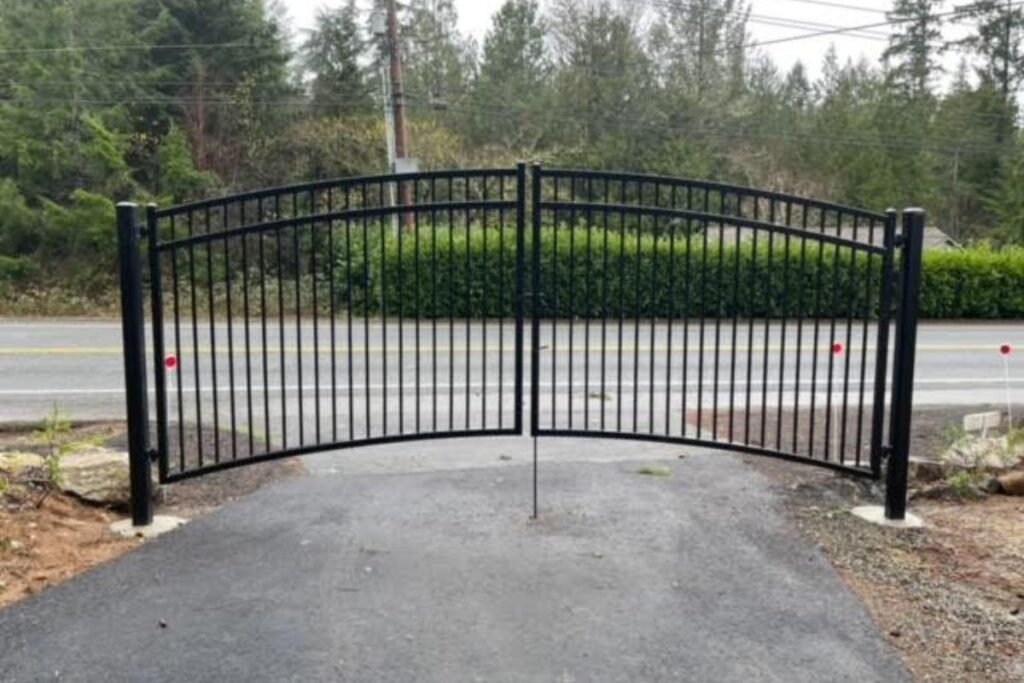
Automatic driveway gates work on electricity—just hit a button. The gate motor and automation system kicks in when you use your remote, punch in a keypad code, tap your phone, or when sensors pick up your vehicle. Most smart driveway gate systems hook into your home security without hassle. Remote-controlled driveway gates have backup batteries, so they still work when the power goes out. With proper care, the openers can last for about 10 to 15 years, or about 100,000 cycles.
What Are Manual Driveway Gates?
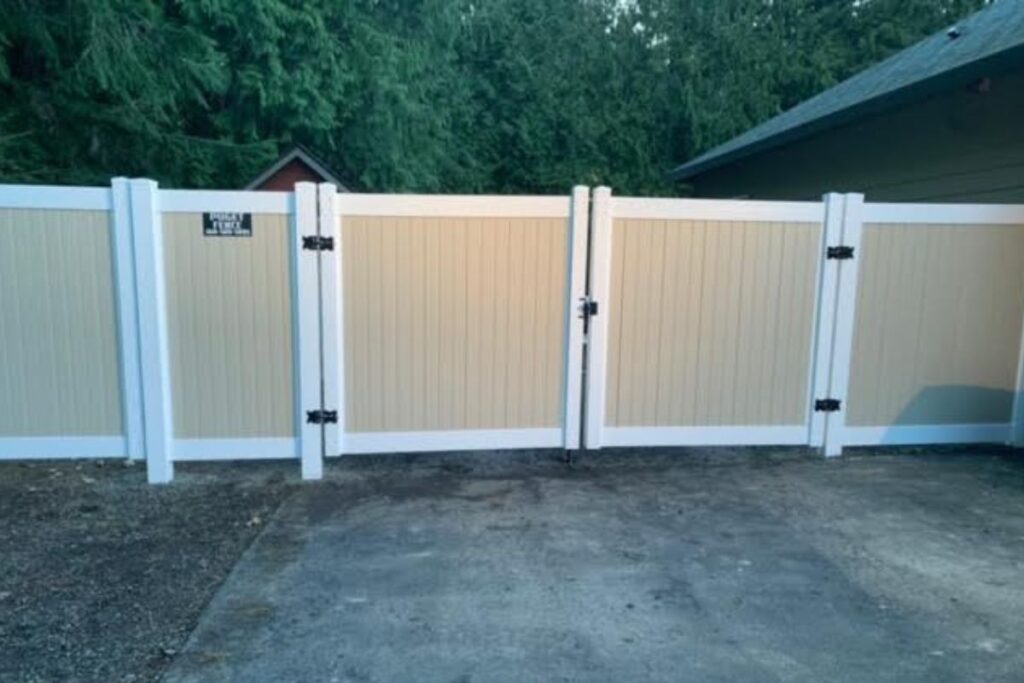
Manual driveway gates are straightforward—you open and close them yourself. They use hinges and latches. Even without electronics, manual gates can be incredibly secure with the right locks. Their simplicity is what makes them great. Less stuff means fewer breaks. People like them when the power goes out or when the gate isn’t used all the time.
SURPRISING FACT: Homes without security systems are 300% more likely to be broken into than homes with visible security measures.
Benefits of Automatic Driveway Gates
Automated gates have benefits that manual ones don’t. This is why people pick them.
1. Improved Security
Electronic controls make automatic driveway gates more secure. Driveway gate security options like keypads and phone controls ensure only the right people get in. U.S. Department of Homeland Security data shows automated gates with access control cut security breaches by 70%. Many smart driveway gate systems work with cameras and alarms, keeping logs of every opening.
2. Convenience and Ease of Use
Driveway gate convenience comes down to this—you don’t get out when it’s raining, snowing, or dark. Remote-controlled driveway gates react fast, keeping you comfortable in your car. Modern systems let you control your car with a remote, a phone app, voice commands, or sensors that pick up on your car. Automation is necessary for older family members or anyone who has trouble getting around.
3. Modern Features
You can control a modern driveway gate technology with Alexa or Google Assistant. Some have geofencing that opens the gates for you when you get close. Advanced gate safety features detect obstacles and reverse immediately. Solar options help with the energy use of automatic gates, and backup batteries keep everything running during outages.
Benefits of Manual Driveway Gates
Manual systems have their pros and cons, especially for some properties or when money is tight.
1. Cost-Effective Choice
Manual driveway gates are cheaper at first because they don’t have motors, control panels, or electronics. You won’t have to pay for power lines either. Long-term, manual systems keep saving money because they don’t have to pay for electricity, motors that break down, or electronics that stop working.
2. Minimal Maintenance
Manual gate advantages show up in upkeep. Fewer components mean less goes wrong. Easy driveway gate maintenance tips: just oil the hinges, check the latches, and make sure everything is secure. No need to call a technician every year. The best material for driveway gates includes treated cedar, vinyl, or powder-coated metal—all lasting decades.
3. Durability and Simplicity
Manual driveway gates outlive automatic ones by 10 to 15 years. If you build manual gates the right way, they will work perfectly for more than 30 years without motors wearing out or circuit boards breaking. Anyone can use them without having to learn how to use them or remember codes. When there is an emergency or a power outage, manual gates still work. Because the parts are standard and cheap, repairs are quick.
Safety Considerations For Both Driveway Gates
Safety features differ completely between these types. Knowing what each offers helps you pick what matches your household.
1. Automatic Gate Safety Protections
There are a lot of safety features on automatic driveway gates these days. Pressure sensors feel resistance and stop or reverse immediately. Photocell beams make invisible walls. If you break the beam while moving, it stops. Edge sensors cause a reversal when they touch something. Gate safety features include manual releases in case of power outages and warning signals while the gate is in use.
2. Manual Gate Safety
Manual gate works the safest when they are installed properly. Weight distribution prevents random swinging. Latches should be secure but not difficult. Designs prevent pinched fingers. Keep swing areas clear—no cars or obstacles. Teaching proper use becomes a safety feature itself.
| How it Works | Remote/app control | Physical effort |
| Impact of Weather | Stay in the vehicle | Exposure to elements |
| Upkeep Required | Annual professional | Occasional DIY |
| Need for Power | Electricity and backup | None |
| Lifespan | 10-15 years | More than 30 years |
Important Factors to Keep in Mind Before Choosing
You should choose based on what your property needs. These points help clear things up.
1. Cost and Installation Needs
Think about the full picture, not just upfront costs. Automatic driveway gates require an electrical setup, potentially getting pricey if there’s no power at your gate location. In the long run, automated systems will need new motors and repairs to their controls. Manual gates, on the other hand, only need to have their hardware changed every so often, which costs less.
2. Security Needs
High-crime areas benefit from the driveway gate security options automation provides. Electronic driveway access control keeps track of who comes and goes and stops people from forgetting to close the gate. Heavy-duty padlocks or drop bars on manual driveway gates do a great job of keeping people out. The main difference is control: automated lets you check on things from afar, while manual requires you to be there.
3. Convenience Level
The system that works for you depends on your daily life. Busy professionals appreciate the electric driveway gate benefits like remote operation. Elderly family members often need automation. Driveway gate convenience can justify automation’s premium when the weather’s tough.
Choosing the Right Driveway Gate: Final Thoughts
Both automatic and manual driveway gates have clear strengths. Automatic driveway gates are great for busy families because they offer better security, modern convenience, and smart integration. If you want something that will last a long time, is easy to use, and saves you money, manual driveway gates are a great choice.
We at Puget Fence Inc. have helped many homeowners in Western Washington make this choice. For more than 20 years, our team has been putting in driveway gates in Bremerton, Gig Harbor, Poulsbo, WA, and Silverdale, WA. We are familiar with the challenges of the Pacific Northwest climate and work directly with every client to find the right balance between security needs, budget, and lifestyle.
Maybe you’re sold on automation, or maybe manual gates make more sense for your situation—either way, we’ve got you covered with solid installation and service you can count on. We’ll sit down with you and talk about the materials, the design, and the kind of maintenance you’ll need to do, so you know exactly what you’re getting into.
Ready to make your property more secure? Give us a call at (360) 509-5095, and we’ll set up a time to talk through your options. We’re here to help you pick what actually works for your home.