
Your fence is under attack. Rain seeps into wood fibers. UV rays break down protective layers. Freeze-thaw cycles crack posts from the inside out. These invisible enemies work around the clock, and without proper weatherproof fencing protection, they’ll eventually win. Research shows untreated cedar lasts only 15-20 years, while properly sealed cedar can reach 30 years or more. At Puget Fence Inc., we’ve seen how the Pacific Northwest’s weather tests every fence material, and we’re here to share what actually works.
This guide breaks down everything you need to know about fencing weatherproofing, from understanding weather damage to implementing fence weatherproofing solutions that protect your investment and extend its lifespan significantly.
Understanding How Weather Affects Fencing
Weather doesn’t just mess with your fence’s looks; it literally changes the material from the inside out.
1. Impact of Moisture and Rain on Fencing
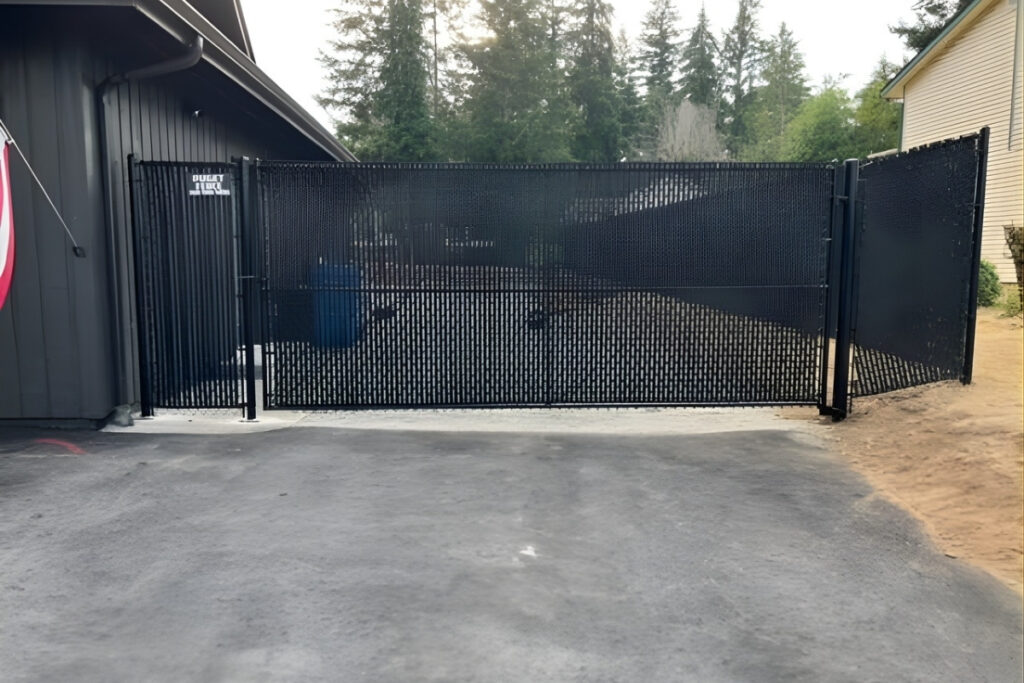
Water gets into wood cells and makes them swell. When things dry out, the wood shrinks back down. If this happens many times, it gets cracks that turn into warping, splitting, and rot. In our rainy climate, moisture-resistant fencing isn’t something you can skip. Metal fences rust where water meets oxygen. We offer vinyl-coated chain-link at Puget Fence Inc. that solves this completely.
2. Damage Caused by Sun and UV Rays
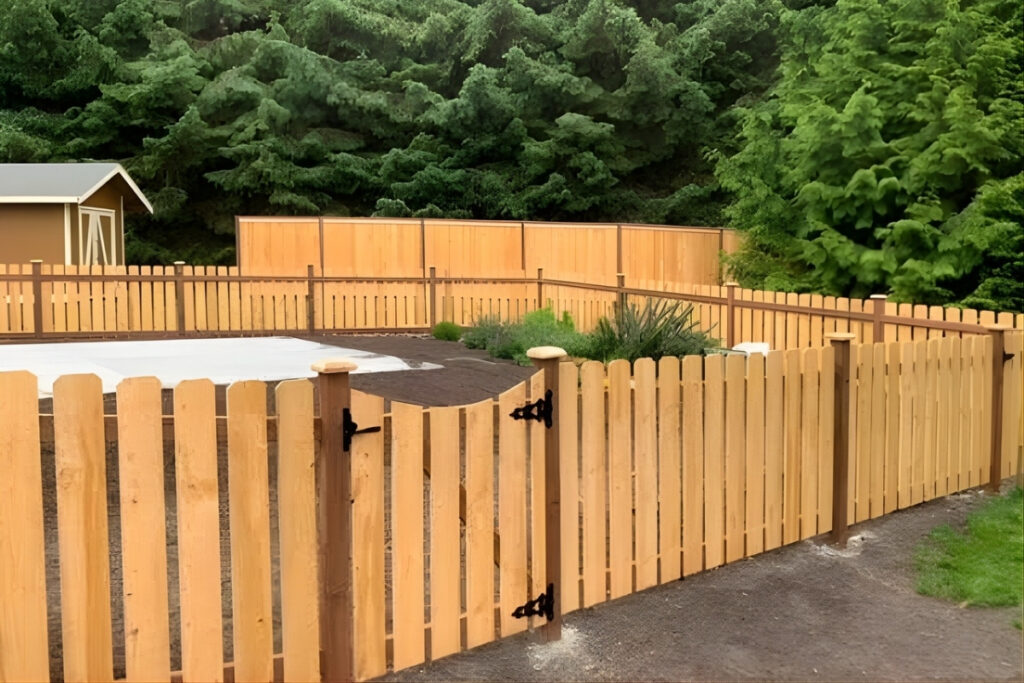
UV rays attack the lignin in wood; that’s what holds the fibers together. Break that down, and you get brittle, cracked wood that turns gray. UV-resistant fencing treatments stop this before it starts. Even our custom cedar fences, which have natural oils for protection, benefit hugely from proper protective fence coatings.
3. Effects of Temperature Changes and Extreme Weather
When it gets hot, materials expand. When it’s cold, they contract. Different materials do this at different rates, which stresses connection points. The freeze-thaw cycle is brutal; water gets in cracks, freezes and expands, then thaws. Repeat this, and small cracks become structural failures.
Most fences show their first real problems around 5 years of their life—if you haven’t started weatherproof fencing by then, you’re already behind.
What Is Weatherproofing in Fencing?
Fencing weatherproofing puts a barrier between your fence and everything trying to destroy it. It’s basically giving your fence protection against rain, sun, and temperature swings.
Definition and Purpose of Weatherproofing
Think of it as sunscreen and waterproofing rolled into one. Good fence weatherproofing solutions keep the structure solid, the appearance clean, and maintenance costs down. A weatherproofed fence can last 20-25 years easily. Skip protection, and you’ll have to deal with major repairs in 10-15 years.
Common Weatherproofing Methods for Fencing
Wood needs sealants that soak in deep. Metal needs coatings that nothing can get through. Vinyl needs UV blockers mixed right into the material. Our vinyl fences at Puget Fence Inc. come with UV-resistant fencing built in from the factory, not added later, but engineered from day one.
Benefits of Weatherproofing Your Fencing
The payoff from fence protection from weather shows up in real numbers—years of extra life and way less hassle.
1. Extended Lifespan and Durability
Treated cedar hits 25-30 years regularly. Leave it untreated, and it will only last up to 15-20 years. That’s 50% more life just from proper care. Long-lasting fencing happens when you catch small problems before they spread. Even durable fencing materials like pine can go from 5-12 years untreated to 20 years with protection.
2. Reduced Maintenance and Repair Costs
Putting on sealant every few years takes a weekend. Replacing rotted posts means digging, buying materials, and probably calling for help. Fencing repair prevention is way cheaper than fixing damage after the fact.
3. Improved Appearance Over Time
Climate-resistant fencing keeps looking good way longer. No gray weathering, no mold stains, no rough surfaces. Your property value goes up with a nice fence and drops fast with one that’s falling apart.
Weatherproofing Solutions for Different Fencing Materials
Different materials need different protection strategies. Here’s what works for each type.
1. Weatherproofing Wood Fencing
Clean it thoroughly first; use a fence cleaner and power wash carefully under 2,000 PSI. Let it dry completely for 48-72 hours. Then apply waterproof fence treatment with both water repellent and UV blockers. Our custom cedar fences at Puget Fence Inc. already resist moisture naturally, but we still recommend sealing every 2-3 years.
2. Weatherproofing Metal Fencing
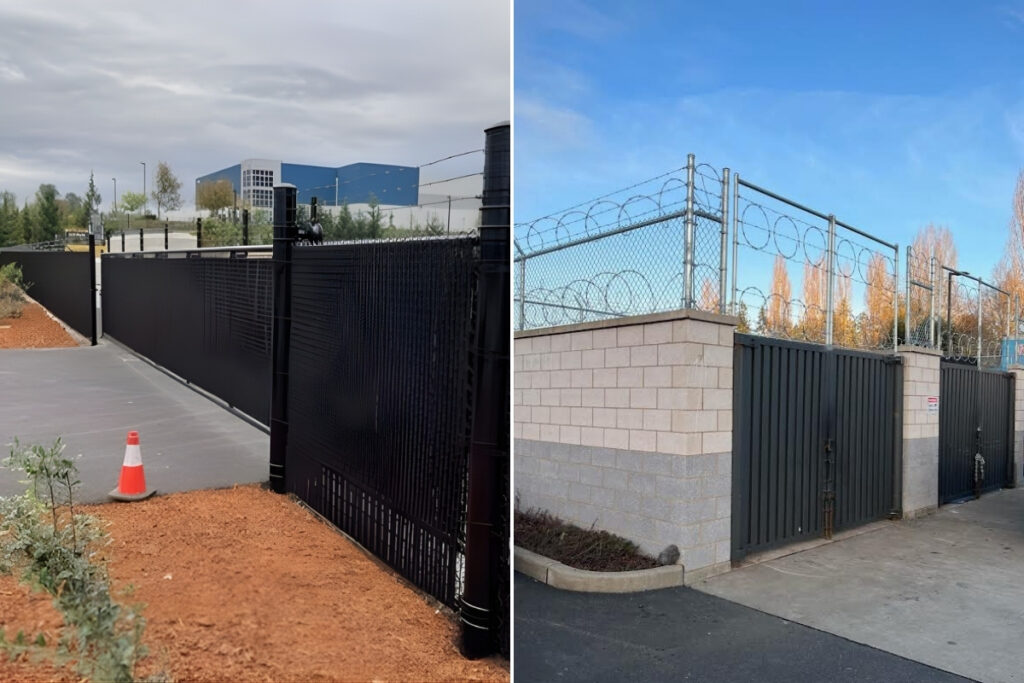
Metal needs barrier coatings to stop rust. Once rust starts, it spreads fast. Galvanized chain-link has a zinc coating built in for rust-resistant fence coating protection. We also do vinyl-coated chain-link that adds another layer. For decorative iron or steel, check regularly for scratches and touch them up before rust takes hold.
3. Weatherproofing Vinyl and Composite Fencing
Vinyl doesn’t rot or warp; it’s naturally moisture-resistant fencing. The only worry is UV damage, making it fade or get brittle. Quality vinyl has UV inhibitors mixed in. Our vinyl options at Puget Fence Inc. come with this protection built in for long-lasting fencing that keeps its color for decades. Just wash it a few times a year; no staining, painting, or sealing needed.
When Should Fencing Be Weatherproofed?
Timing makes a huge difference. Get it wrong, and you either trap moisture or let damage start.
1. New Fence Installation
Pressure-treated wood is full of moisture from treatment. Wait 30-60 days before sealing, or you’ll trap water inside. Test by splashing water on; if it beads up, wait longer. Natural cedar can be treated in 2-4 weeks. Our team at Puget Fence Inc. tells you exactly when, based on your fence and weather. Metal and vinyl come ready; just check for damage during install.
2. Existing Fence Maintenance
Wood fences need a full check every spring. Look for water soaking in instead of beading up, fading color, rough spots, and cracks forming. Reseal every 2-3 years. Metal needs yearly inspections; fix rust spots immediately before they spread. The key is staying ahead of problems with seasonal fence care.
Long-Term Value of Weatherproof Fencing
Weatherproof fencing pays off in ways that go beyond just making your fence last longer.
1. Environmental and Cost Benefits
Weatherproofing means you replace less often, which means less waste, fewer materials used, and lower environmental impact. Our custom cedar fences at Puget Fence Inc. are naturally decay-resistant and need less chemical treatment; better for the environment, and still tough.
2. Increased Property Value and Safety
A good fence adds real value to your property. It looks better, works better, and tells buyers you’ve maintained the place. Weatherproof fencing keeps that value from disappearing. Plus, they provide safety; solid fences keep kids and pets where they should be.
Protecting Your Investment Starts Here
Weatherproof fencing protects what you’ve already paid for. We’ve covered how weather damages materials, what fencing weatherproofing means, and specific fence weatherproofing solutions for wood, metal, and vinyl. There are a lot of benefits: longer life, lower costs, better looks, and higher value.
We’ve spent over 20 years at Puget Fence Inc. helping people in Western Washington pick and maintain quality fencing. Our cedar fences use the wood’s natural resistance. Our vinyl fences come with UV protection built in. Our chain-link installations give you extreme weather fence protection for security.
Fence lifespan extension through weatherproofing saves money and headaches. Contact us at (360) 509-5095 for expert help with all-weather fencing solutions.