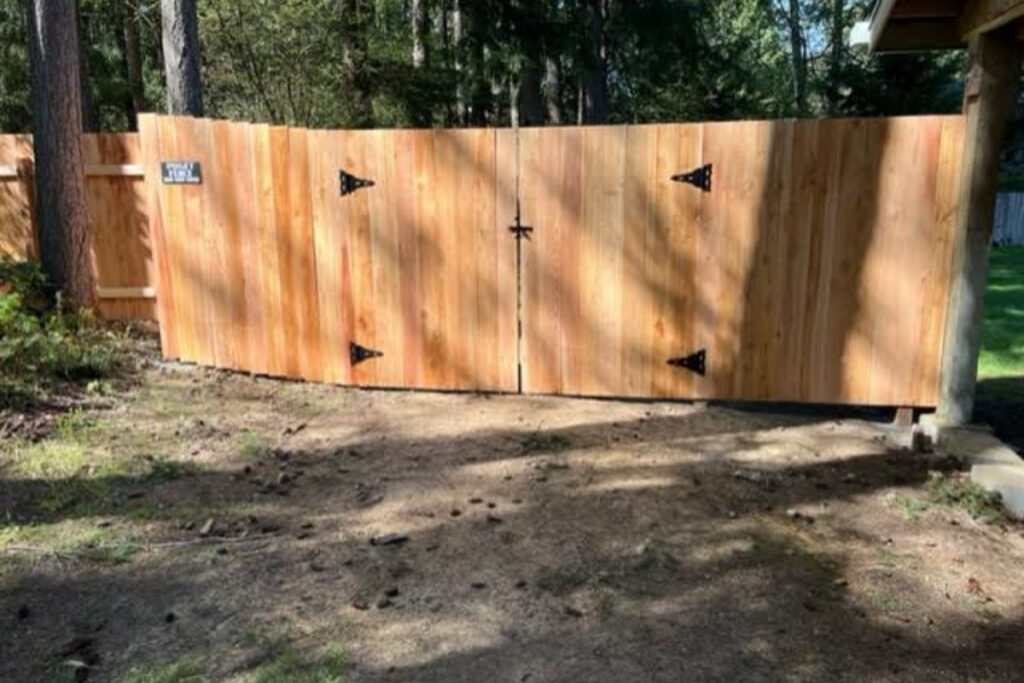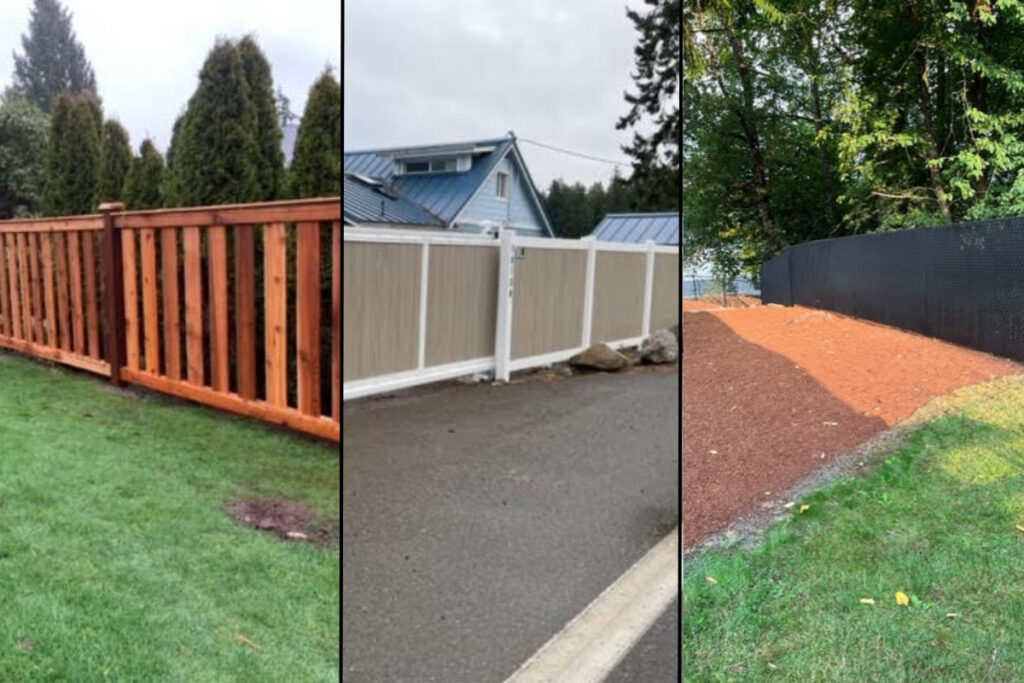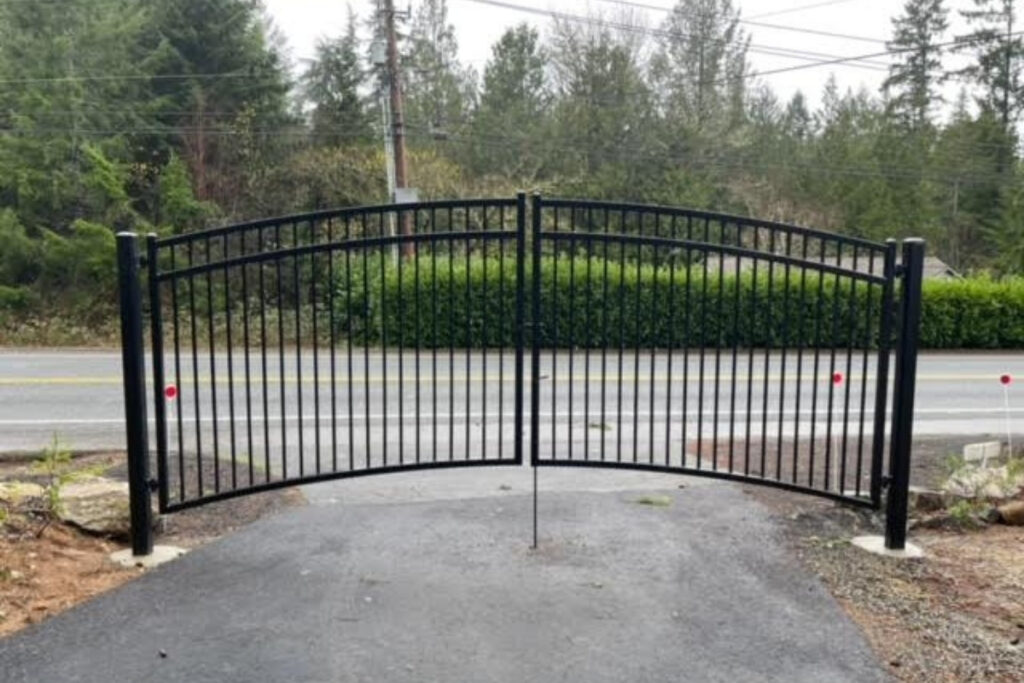

A freshly installed fence looks like it can handle anything. And for the first year or two, it can. Then the Pacific Northwest does what it always does: endless rain softens the wood grain, frost quietly moves the posts, UV rays bleach the finish, and plants grow in from all sides. None of it looks like a crisis until the day it suddenly is. One overlooked season of seasonal fence care rarely destroys a fence. But what about two or three? That’s when homeowners call us to replace their entire roof instead of just fixing it, and they find out how much more it costs. At Puget Fence Inc., we’ve built and restored enough fences to know exactly where neglect starts and how fast it spreads.
This fence care guide walks you through wood, vinyl, and metal fencing care, season by season, so your fence stays strong and looks good all year.
Why Seasonal Fence Care Is Important
Not taking care of your fence doesn’t just make it look bad; it also weakens the structure without you knowing it. Most of the time, the problem has been getting worse for months before you can see the damage. A disciplined year-round fence maintenance routine catches issues early, before they escalate.
| Season | Primary Threat | Most Affected Material |
| Spring | Moisture, mold, post shifting | Wood, Metal |
| Summer | UV rays, heat expansion, and overgrowth | Vinyl, Wood |
| Fall | Debris buildup, early rot | Wood, Metal |
| Winter | Frost heave, snow load, ice | All types |
A fence that isn’t taken care of doesn’t just get old; it breaks down. And it usually fails at the worst possible time.
Spring Fence Care Tips
Winter is rough on every material. The first real chance to check for damage and reset is through spring fence maintenance, before the warmer months bring a whole new set of problems.
1. Inspect for Winter Damage
Walk the full fence line and conduct a thorough seasonal fence inspection. Pay close attention to the ground level. Posts that have been moved by frost make the structure less stable, and if you don’t fix them right away, it gets worse.
2. Clean Your Fence Thoroughly
Mold and mildew from wet months continue breaking down the surface if not removed promptly, making it one of the most critical fence cleaning tips to follow. We use Clenz 02 Fence Restorative Solution on wood fences. It is an EPA-approved, bleach-free cleaner made for the Pacific Northwest. It gets rid of mold and mildew without hurting the wood or the water nearby. A soft brush and a mild detergent work well to clean up dirt on vinyl and metal.
Summer seems forgiving, but UV rays, heat expansion, and fast-growing plants can really hurt things if they aren’t taken care of. These summer fence care tips protect your investment during what most homeowners assume is the “safe” season.
3. Seal or Stain Wood Fences
Wood fence maintenance in summer centers on protection. After cleaning and drying the wood, use a good sealant or stain to keep out UV rays and moisture, and keep the wood’s structure intact. A fence that has been properly sealed can last two to three years before it needs to be treated again.
4. Check for Warping and Expansion
Heat causes materials to expand and shift. Wood boards warp, vinyl panels shift at connection points, and metal gates misalign. These are small changes that can be made early on. If they aren’t, they will cost a lot of money to fix.
5. Trim Nearby Vegetation
Overgrown shrubs and vines trap moisture against the fence surface and accelerate rot, rust, and mold growth. Keeping vegetation trimmed back at least six inches is one of the simplest fence maintenance tips you can apply consistently.
Fall Fence Care Tips
People often skip fall fence maintenance because summer seemed fine. This is why so many fences get damaged in the winter. Before the first freeze, go through this list:
- Tighten all loose fasteners and screws
- Replace cracked or rotting boards
- Touch up sealant on bare wood spots
- Lubricate gate hinges and locks
- Clear leaves and debris from the fence base and gate hardware
- Re-secure any shifting posts
If your fence has one loose board in October, it may have three broken ones by March. Winter doesn’t pause damage, it accelerates it.
Winter Fence Care Tips
Winter maintenance is about protection and awareness, not renovation. Your fence inspection checklist this season should be focused on preventing compounding damage before it becomes irreversible.
1. Protect Against Moisture & Snow
Use a soft broom, not a metal tool, to brush heavy snow off the tops of fences. Make sure that the bases of the posts drain well so that the snowmelt doesn’t freeze around the foundation. For metal fences, address chipped or flaking paint before the season begins, as exposed metal under ice corrodes rapidly.
2. Monitor Frost Heave
Frost heave, which is when posts move up or sideways because the ground freezes, is one of the most underreported problems with winter fence protection. Look out for posts that look taller than they did before, panels that are out of line, or gates that don’t close right anymore. Keep track of changes and fix them when the ground thaws.
3. Schedule a Professional Inspection Annually
Maintaining a wood fence year-round always includes at least one professional inspection. Trained eyes catch early-stage rot, hairline cracks, and post-instability that most homeowners miss entirely until the damage has already advanced.
How Seasonal Fence Care Saves Money
Reactive repairs always cost significantly more than preventive maintenance. A privacy fence board replaced during a routine fall check costs far less than emergency post replacement mid-winter after structural failure has already spread to surrounding panels.
Consider what consistent seasonal fence care prevents:
- Progressive wood rot is spreading from one board to adjacent panels
- Deep corrosion on metal components once the protective coating is compromised
- Full post replacements caused by frost heave left unmonitored
- Entire fence sections are failing under the snow load because loose fasteners were never tightened
Preventive vinyl fence maintenance and metal fence maintenance with routine cleaning, sealing, and paint touch-ups cost a lot less each year than a single structural repair. Homeowners who stick to a year-round fence maintenance can avoid the high, unexpected costs that catch unprepared homeowners off guard.
Your Fence Is Ready: Are You Keeping It That Way?
Seasonal fence care is an annual commitment that pays for itself many times over. Every step, from inspecting and cleaning in the spring to sealing in the summer to making repairs in the fall to keeping an eye on it in the winter, protects your investment and keeps your fencing in top shape. A fence that isn’t taken care of doesn’t just look bad; it also lowers the value of the property, leaves gaps in security, and needs to be completely replaced when proper care would have kept it from happening.
At Puget Fence Inc., we’ve spent over 20 years helping homeowners across Kitsap, Pierce, Mason, and Jefferson Counties maintain their fences through every season. From professional installation to restoration using our Clenz 02 Fence Restorative Solution, our team provides everything your fence needs to perform long-term. If your fence begins to show signs of wear, we’ll assess it honestly and handle it right.
Don’t wait for a broken board or a leaning post to make the call. Contact Puget Fence Inc. at (360) 509-5095 and schedule your seasonal fence inspection today, before the next season gets ahead of you.